 Post by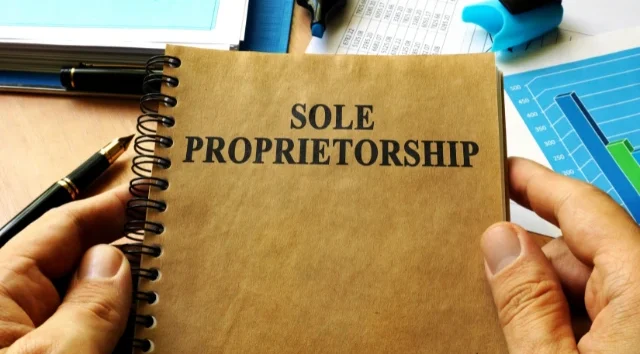
Choosing the right business structure is an important decision for any entrepreneur. Two of the most common options are a sole proprietorship and a corporation. While both structures allow you to operate a business, they differ significantly in terms of liability, taxes, control, and growth potential. Therefore, understanding the differences between a sole proprietorship and a corporation can help you make the best decision for your business. In this blog, we will explore the key differences to help you choose the right structure.
What Is a Sole Proprietorship?
First and foremost, a sole proprietorship is the simplest form of business ownership, where one person owns and operates the business. It is easy to set up and requires minimal legal formalities. Additionally, the owner has complete control over all decisions, making it a popular choice for small businesses and freelancers. However, this simplicity also comes with certain risks that business owners should carefully consider.
What Is a Corporation?
A corporation, on the other hand, is a separate legal entity that is separate from its owners. This means that the business can own assets, enter into contracts, and be held liable independently. Additionally, corporations are more structured and require formal registration, documentation, and ongoing compliance. As a result, they are often preferred by businesses that aim for long-term growth and expansion.
Liability Protection
One of the most important differences between a sole proprietorship and a corporation is liability. In a sole proprietorship, the owner is personally liable for all business debts and obligations. Therefore, personal assets such as savings or property may be at risk if the business experiences financial or legal problems.
In contrast, a corporation provides limited liability protection, meaning the owners’ personal assets are generally protected. Consequently, this makes corporations a safer option for businesses with higher risks.
Taxation Differences
Another important distinction is in taxation. A sole proprietorship is taxed as personal income, which means that business profits are reported on the owner’s individual tax return. The process is simple and straightforward.
However, corporations are taxed separately from their owners. In some cases, this can lead to double taxation, where both the company’s profits and shareholder dividends are taxed. Nevertheless, certain types of corporations may offer tax advantages depending on the situation.
Setup and Costs
When it comes to setup, forming a sole proprietorship is quick and inexpensive. In many cases, it requires little more than registering a business name. Therefore, it is ideal for entrepreneurs who want to get started quickly with minimal investment.
On the other hand, forming a corporation involves more complex procedures, including registration, legal documentation, and compliance requirements. Additionally, there are higher setup and maintenance costs. However, these costs often come with added benefits such as legal protection and credibility.
Control and Decision-Making
In a sole proprietorship, the owner has complete control over the business and can make decisions independently. This flexibility allows for quick decision-making and easy management. In contrast, corporations have a more structured management system, which usually includes directors and officers. As a result, decision-making is shared, which can sometimes slow down the process but ensures better governance and accountability.
Growth and Continuity
A sole proprietorship is closely tied to its owner, which means that the business could end if the owner retires or passes away. Therefore, it may not be ideal for long-term growth. In contrast, a corporation has a continuous existence, allowing it to operate regardless of changes in ownership. Additionally, corporations have better access to funding and investment opportunities, making them more suitable for scaling and expansion.
Choosing the Right Structure
Ultimately, the choice between a sole proprietorship and a corporation depends on your business goals, risk tolerance, and future plans. If you prefer simplicity and complete control, a sole proprietorship may be the right option. However, if you are looking for liability protection and growth opportunities, a corporation is often the better choice.
At own a corp, We help entrepreneurs choose the right business structure based on their needs. With expert guidance, you can ensure your business is set up for long-term success.
Conclusion
In conclusion, both have their own advantages and limitations. While a sole proprietorship offers simplicity and control, a corporation provides protection and the potential for growth.
Moreover, understanding these differences allows you to make informed decisions and avoid potential risks. With the support of own a corp, you can confidently select the best structure and build a strong foundation for your business.
FAQs
1. What is a sole proprietorship?
It is a business owned and operated by one individual, where there is no legal separation between the owner and the business.
2. Is a corporation better than a sole proprietorship?
A corporation offers more protection and growth opportunities, while a sole proprietorship is simpler and easier to manage, depending on your business needs.
3. What is the main disadvantage of a sole proprietorship?
The main disadvantage of a sole proprietorship is unlimited liability, meaning the owner is personally responsible for all business debts and legal obligations.